Shop

Hardware for turning real work into robot training data.

TRACE kits are not generic cameras. They are capture systems for contributors: an MMT core, configurable body sensors, and a validation path into the WELL.

MMT

required core

The multimodal module anchors scene, audio, motion, and task context.

6-20

sensor range

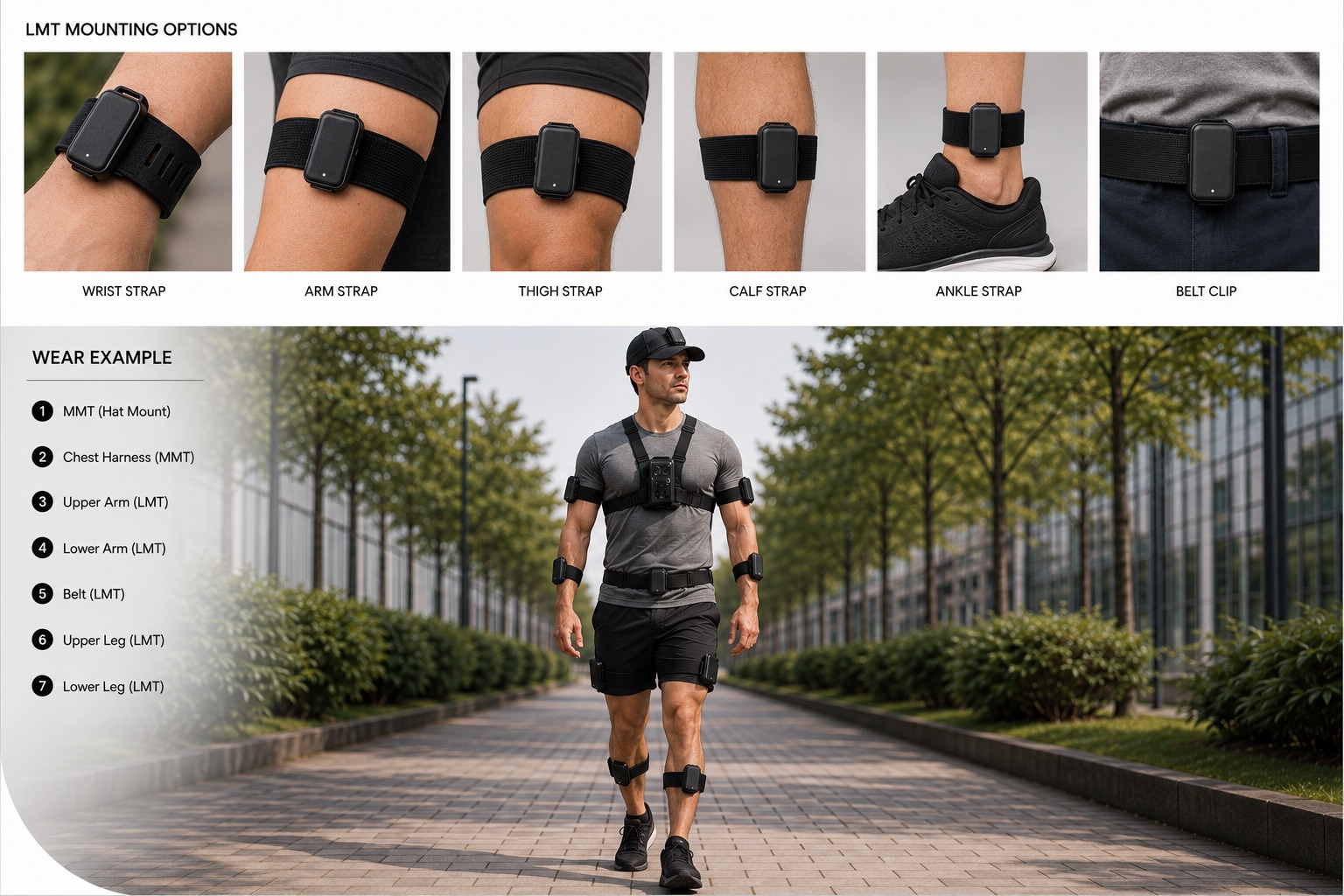
Body-worn sensors scale motion fidelity by kit configuration.

~$200

baseline target

Target for V3.5-class core plus six to eight sensors.

Waitlist

current status

Checkout opens after hardware access, onboarding, and terms are ready.

Hardware paths

Start with the kit. Scale motion fidelity as the work demands.

The shop should make the hardware access model clear without pretending checkout is live. These are the first hardware pathways TRACE needs to support.

TRACE MMT board render

Contributor kit

Waitlist

Baseline Capture Kit

~$200 target

The starter path for contributors: one MMT core plus a six-to-eight sensor body swarm for eligible real-world sessions.

  • MMT V3.5-class core
  • 6-8 body sensors
  • Session capture path
TRACE prototype hardware board with camera and storage connections

Core unit

Prototype

MMT Module

Pricing TBD

The scene and task anchor for TRACE capture: wide RGB, depth, audio, barometric context, motion, and local storage.

  • Scene capture
  • Audio and depth ready
  • Storage and sync
TRACE swarm dashboard showing harvested devices

Expansion

Planned

Body Sensor Swarm

By configuration

Add motion fidelity for hands, arms, torso, legs, and task-specific capture needs as contributor work scales.

  • 6-20 sensor range
  • Synced motion streams
  • Quality-gated uploads

How buying starts

Access should follow onboarding, not impulse checkout.

TRACE hardware creates data with privacy, consent, and contributor-accounting implications. The first shop experience should route people into the right path before payment.

01

Join the hardware path.

Start through the contributor route so kit access can match your work setting, capture needs, and onboarding requirements.

02

Configure the kit.

The MMT core is required. Sensor count scales from a baseline body swarm to higher-fidelity capture configurations.

03

Record eligible sessions.

Useful data comes from real work: bench tasks, tools, handoffs, movement, shared space, and ordinary timing.

04

Upload for validation.

Only compliant, synced, useful sessions become WELL inventory or earn contributor accounting credit.

Checkout status

The storefront is ready before commerce is live.

That is intentional. The page can set hardware expectations now, then connect to Shopify once product schema, inventory, pricing, and terms are finalized.

Available now

Product intent and waitlist.

The site can explain kit paths, collect early interest through the contributor flow, and set expectations before checkout opens.

Next

Hardware access and onboarding.

TRACE still needs contributor onboarding, capture-mode guidance, availability windows, and legal terms before paid checkout is responsible.

Later

Shopify checkout.

The API layer is already in place, but live products and checkout should wait for Shopify credentials and finalized product schema.

FAQ

Clear expectations make the waitlist stronger.

This shop is a product surface, not a live cart. It should answer the questions that matter before people join the hardware path.

Can I buy today?

Not yet. This is a waitlist surface.

The public shop is ready for hardware interest, but checkout should stay closed until inventory, onboarding, capture rules, and terms are finalized.

What is required?

Every contributor kit starts with the MMT.

The MMT is the scene and task anchor. Body sensors add motion fidelity depending on the work and the level of capture needed.

Who is this for?

Early contributors and research partners.

The first hardware path should prioritize people who can create useful, compliant, real-world task sessions for the WELL.

Hardware waitlist

Join the path for early TRACE capture hardware.

The next useful step is contributor onboarding: matching hardware access to real work, capture settings, validation, and the WELL.